wildlife photographs can be taken using
basic equipment, successful photography of some types of wildlife requires
specialist equipment, such as macro lenses for insects, long focal length
lenses for birds and underwater cameras for marine life. However, a great
wildlife photograph can also be the result of being in the right place at the
right time and often involves a good understanding
of animal behavior in order to anticipate interesting situations to capture in
photography.
Character and Environment:
Another thing to
remember when photographing wildlife is the old “push/pull.”Animals have
personalities, and you want to show that. But you don’t want to be working
really tight with long lenses all the time. You need to show their environment
too—habitat says a lot. Back off and use wide-angle lenses to give viewers a
sense of where the animals live.
The world's three largest photography organizations, the have adopted a common definition for nature and
wildlife photography to govern photography competitions, their respective
presidents writing in a joint statement, "The development of a common
definition for nature and wildlife photography will be an important step in
helping photographers, many of whom enter competitions internationally, know
what the rules are. It will also provide organizers with a very clear
definition when they need to deal with the problem of ineligible images.
wildlife photography is very
specialized and uses different lenses and equipment than most other
disciplines. Most wildlife lenses have a very long focal lenght between 150mm
and 600mm, allowing the photographer to get a tighter image filling the frame
with their chosen subject. However, whilst the majority of wildlife is shot
with a telephoto lens, when a wide-angle lens is used it can provide striking
shots of animals within their environment.
Wildlife
observation
is the practice of noting the occurrence or abundance of animal species at a
specific location and time, either for research
purposes or recreation. A common example of this type of activity is bird watch.
The process
of scientific wildlife observation includes the reporting of what (diagnose of
the species), where geographical location, when (date and time), who (details
about observer), and why (reason for observation, or explanations for
occurrence). Wildlife observation can be performed if the animals are alive,
with the most notable example being face-to-face observation and live cameras,
or are dead, with the primary example being the notifying of where road kill
has occurred. This outlines the basic information needed to collect data for a
wildlife observation; which can also contribute to scientific investigations of
distribution, habitat relations, trends, and movement of wildlife species.
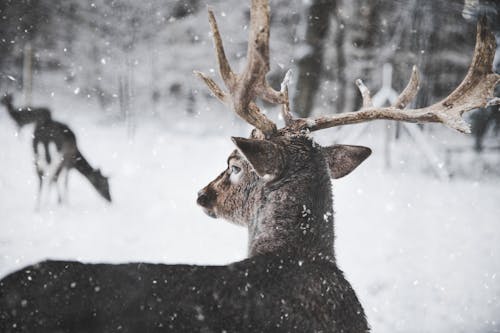
Wildlife
observation allows for the study of organisms with animal disturbance to their
ecosystem depending on the type of method or equipment used. The use of
equipment such as unmanned aerial vehicles (U A V S) more commonly known as
drones, may disturb and cause negative impacts on wildlife. Specialized
equipment can be used to collect more accurate data.


$NYC bro.. Keep it up
ReplyDelete###👌👌👌👌 classical dear#####
ReplyDeleteFabulous
ReplyDeleteI'm wishing you lots of success and happiness in your new job. Best of luck to you!
ReplyDeleteI'm wishing you lots of success and happiness in your new job. Best of luck to you!
ReplyDelete